Call for Papers
Submit Your Research: Call for Papers –
ICEDU 2027
Over the past twelve successful editions, the International Conference on Education has become a recognized global platform for educators, researchers, policymakers, academic leaders, and innovators to share knowledge and advance educational development worldwide. Each year, strengthens research-based dialogue, encourages interdisciplinary collaboration, and supports the exchange of practical and policy-driven educational solutions.
As we move into the 13th edition, the Education Conference 2027 continues this legacy by creating a future-focused space to explore emerging educational challenges and opportunities shaped by artificial intelligence, digital transformation, and global interconnectedness.
Theme: “Education in an Age of Intelligent Systems — Human-Centered Education in the Era of Artificial Intelligence and Global Interdependence.”
Key Paper Submission Tracks and Sub Tracks:
We welcome original research, theoretical discussions, case studies, and practical innovations under the following tracks:
Curriculum, Research & Development
- Acoustics in Education Environment
- APD/Listening
- Counsellor Education
- Courses, Tutorials and Labs
- Curriculum Design
- Inclusive Education and Practices
- Research Methodologies
- Academic Research Projects
- Developing Research & Experimental Work
- Links between Education & Research
- Research in Education
- Research Management
Educational measurement
- Assessing School Outcomes
- Assessment Software Tools
- Causal Modelling in the Classroom
- Culturally Relevant Assessments
- Measuring Teacher Quality
- Using Tests to Advance Learning
Education Theory & Practice
- Counsellor Education
- Educational Foundations
- Education Practice trends and Issues
- Education and Research Management
- Educational Measurement and Evaluation
- Curriculum, Research and Development
Child and family education
- Early Childhood Education
- Home Education
- Elementary Education
- Primary Education
- Secondary Education
- Comparison of Education in Different Countries
Generative AI & Knowledge Transformation
- AI-Augmented Knowledge Creation and Academic Writing
- Generative AI in Research, Publishing, and Scholarly Communication
- AI-Driven Curriculum Design and Content Personalization
- Ethical Knowledge Systems and Responsible AI Use
- AI for Learning Analytics and Decision-Making
- Intellectual Property, Authorship, and Academic Integrity in the AI Era
- AI-Supported Assessment, Feedback, and Evaluation Models
- Digital Literacy and AI Literacy in Higher Education
- Transforming Libraries, Archives, and Digital Knowledge Repositories
- AI for Multilingual Education and Knowledge Accessibility
Human AI-Interaction & Educational Anthropology
- Human-Centered AI Design in Educational Environments
- Cultural Dimensions of AI Adoption in Education
- AI and Identity Formation in Learning Communities
- Social and Psychological Impacts of AI-Assisted Learning
- Trust, Bias, and Fairness in Human–AI Educational Systems
- AI, Surveillance, and Student Autonomy
- Learner Behavior, Engagement, and AI Mediation
- Digital Ethnography and AI-Supported Educational Research
- Teacher Roles and Professional Identity in AI-Integrated Classrooms
- Anthropological Perspectives on AI, Power, and Inequality in Education
Future of Educational Institutions
- AI-Enabled Universities and Smart Campus Models
- Future Skills, Employability, and Workforce Transformation
- Institutional Governance and Policy for AI Integration
- Hybrid Learning Ecosystems and Next-Generation Pedagogies
- Future Models of Accreditation, Credentialing, and Micro-Certifications
- Sustainable and Inclusive Educational Futures
- Redesigning Academic Leadership in the Digital Era
- Institutional Resilience, Innovation, and Crisis Adaptation
- Public–Private Partnerships and EdTech Transformation
- Future of Research Universities and Global Knowledge Networks
Fostering Equity and Inclusion in Education
- Identifying Inequity
- Fostering Equitable Practices
- Bias in Education
- Equity-Focused Research
- Consequences of Educational Inequity
- Building and Sustaining an Inclusive Community
- Children’s Rights in Education
- Disabilities and Diversity
- Special Education
- E-Accessibility
Affecting Educational Policy
- Policy Development and Implementation
- The Role of Government in Education
- Educational Reforms and Innovations
- Policy Impact on Educational Equity
- Advocacy and Lobbying for Education
- Global Perspectives on Education Policy
- Data-Driven Policy Making
- Partnerships between Public and Private Sectors in Education
Strategies for enhancing educational access and engagement
- Inclusive Teaching Practices
- Remote and Hybrid Learning Models
- Strategies for Reducing Dropout Rates
- Community and Family Involvement in Education
- Leveraging Technology for Student Engagement
- Supporting Underrepresented and Marginalized Students
- Access to Higher Education Opportunities
- Financial Aid and Scholarship Programs
Global implication of education & global issues in education and research
- Education, Research and Globalization
- Women and Minorities in Science and Technology
- Indigenous and Diversity Issues
- Government Policy issues
- Increasing Affordability and Access to the Internet
- Intellectual Property Rights and Plagiarism
- Globalization
- Global Challenges of Education
- Organizational, Legal & Financial Aspects
- Government Policy Issues
- Impacts of Economic Crisis
- Education for Sustainability
- Acoustics in Education Environment
- APD/Listening
- Counsellor Education
- Courses, Tutorials and Labs
- Curriculum Design
- Inclusive Education and Practices
- Research Methodologies
- Academic Research Projects
- Developing Research & Experimental Work
- Links between Education & Research
- Research in Education
- Research Management
- Assessing School Outcomes
- Assessment Software Tools
- Causal Modelling in the Classroom
- Culturally Relevant Assessments
- Measuring Teacher Quality
- Using Tests to Advance Learning
- Early Childhood Education
- Home Education
- Elementary Education
- Primary Education
- Secondary Education
- Comparison of Education in Different Countries
- AI-Augmented Knowledge Creation and Academic Writing
- Generative AI in Research, Publishing, and Scholarly Communication
- AI-Driven Curriculum Design and Content Personalization
- Ethical Knowledge Systems and Responsible AI Use
- AI for Learning Analytics and Decision-Making
- Intellectual Property, Authorship, and Academic Integrity in the AI Era
- AI-Supported Assessment, Feedback, and Evaluation Models
- Digital Literacy and AI Literacy in Higher Education
- Transforming Libraries, Archives, and Digital Knowledge Repositories
- AI for Multilingual Education and Knowledge Accessibility
- Human-Centered AI Design in Educational Environments
- Cultural Dimensions of AI Adoption in Education
- AI and Identity Formation in Learning Communities
- Social and Psychological Impacts of AI-Assisted Learning
- Trust, Bias, and Fairness in Human–AI Educational Systems
- AI, Surveillance, and Student Autonomy
- Learner Behavior, Engagement, and AI Mediation
- Digital Ethnography and AI-Supported Educational Research
- Teacher Roles and Professional Identity in AI-Integrated Classrooms
- Anthropological Perspectives on AI, Power, and Inequality in Education
- AI-Enabled Universities and Smart Campus Models
- Future Skills, Employability, and Workforce Transformation
- Institutional Governance and Policy for AI Integration
- Hybrid Learning Ecosystems and Next-Generation Pedagogies
- Future Models of Accreditation, Credentialing, and Micro-Certifications
- Sustainable and Inclusive Educational Futures
- Redesigning Academic Leadership in the Digital Era
- Institutional Resilience, Innovation, and Crisis Adaptation
- Public–Private Partnerships and EdTech Transformation
- Future of Research Universities and Global Knowledge Networks
- Counsellor Education
- Educational Foundations
- Education Practice trends and Issues
- Education and Research Management
- Educational Measurement and Evaluation
- Curriculum, Research and Development
- Identifying Inequity
- Fostering Equitable Practices
- Bias in Education
- Equity-Focused Research
- Consequences of Educational Inequity
- Building and Sustaining an Inclusive Community
- Children’s Rights in Education
- Disabilities and Diversity
- Special Education
- E-Accessibility
- Policy Development and Implementation
- The Role of Government in Education
- Educational Reforms and Innovations
- Policy Impact on Educational Equity
- Advocacy and Lobbying for Education
- Global Perspectives on Education Policy
- Data-Driven Policy Making
- Partnerships between Public and Private Sectors in Education
- Inclusive Teaching Practices
- Remote and Hybrid Learning Models
- Strategies for Reducing Dropout Rates
- Community and Family Involvement in Education
- Leveraging Technology for Student Engagement
- Supporting Underrepresented and Marginalized Students
- Access to Higher Education Opportunities
- Financial Aid and Scholarship Programs
- Education, Research and Globalization
- Women and Minorities in Science and Technology
- Indigenous and Diversity Issues
- Government Policy issues
- Increasing Affordability and Access to the Internet
- Intellectual Property Rights and Plagiarism
- Globalization
- Global Challenges of Education
- Organizational, Legal & Financial Aspects
- Government Policy Issues
- Impacts of Economic Crisis
- Education for Sustainability
Key Objectives of the International Education Conference 2027
The 13th International Conference on Education (ICEDU) 2027 aims to explore how education systems can evolve responsibly in an era shaped by artificial intelligence and increasing global interconnectedness. The conference focuses on advancing human-centered learning approaches while promoting innovation, equity, and sustainable educational transformation.
This year’s conference aims to:
- Examine how AI and intelligent technologies can support teaching and learning while preserving human agency, creativity, and ethical decision-making.
- Promote inclusive and equitable access to quality education by addressing digital divides and systemic inequalities.
- Highlight innovative pedagogies, hybrid learning models, and future-ready curriculum development for evolving global needs.
- Strengthen educational policy discussions on governance, accountability, data privacy, and ethical use of technology in education.
- Encourage global collaboration and interdisciplinary research to develop practical solutions for resilient and sustainable education systems.
How We Achieve This
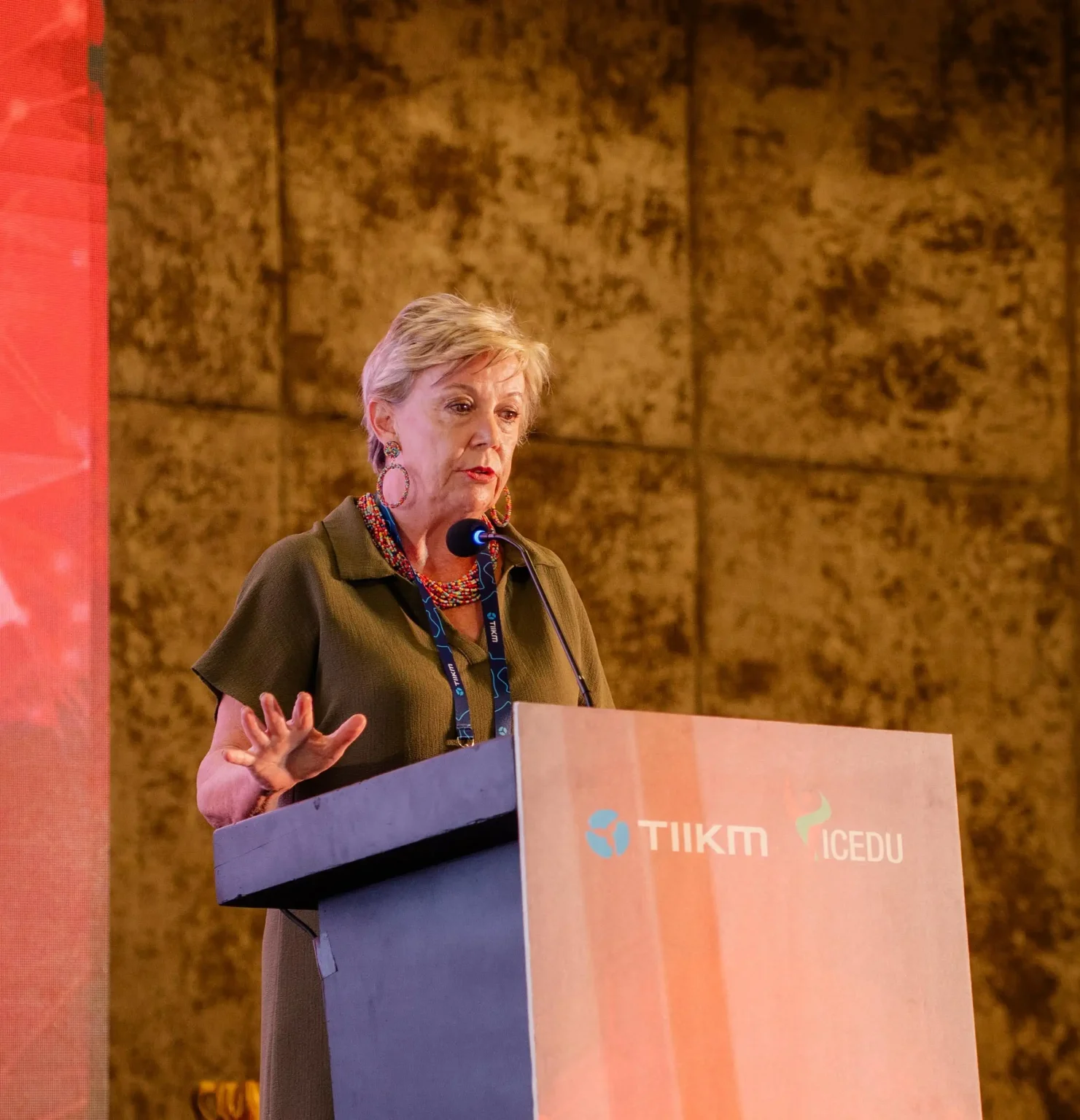
The Education Conference 2027 brings together academics, educators, researchers, policymakers, and industry leaders through:
- Keynote speeches, panel discussions, and expert sessions led by global education leaders and innovators.
- Technical sessions and poster presentations showcasing the latest research, case studies, and best practices in education.
- Interactive workshops on AI in education, digital transformation, teaching innovation, and inclusive learning strategies.
- Networking opportunities that connect participants with international institutions, researchers, and education partners.
- Publication opportunities through indexed journals, special issues, and guided publication support sessions to enhance research impact.
Join the Global Education Conversation
We warmly invite academics, educators, researchers, university professionals, school leaders, policymakers, students, and education innovators from across the world to submit their research and participate in the International Education Conference 2027.
Together, let us explore how education can evolve responsibly and inclusively in an era shaped by intelligent systems and global interdependence.

Ms. Himavi Athauda
If you face any difficulity submitting the abstract, reach out our Conference Coordinator
- +94714015313
- himavi.a@tiikmedu.com
Abstract Guidelines
Basic Format for Abstracts
- An abstract is a compendious summary of a research paper’s substance including its background, purpose, methodology, results, and conclusion.
- It should be one paragraph with a word limit of 175-275.
- Keywords should be provided as a must (no more than 06 words).
- Keywords should be written in lowercase letters (Not applicable to names/scientific names) and should be separated with commas.
- Please do not include subheadings, bullets, lists and header/footer in the abstract.
- Abstract titles should be short, but descriptive. Informative titles, indicating key points are encouraged. Abbreviations should not be used in the title.
- Acronyms should be written in full the first time, mentioned in the text, followed by the abbreviation in parentheses.
- Always follow SI Units.
- Scientific names must be in Italic.
- Use a negative exponent (e.g. kg m-3) and do not indicate units as divisions (e.g. kg/m3). Chemical formulae should be written in a standard form such as “CaCO3”, not as “CaCO3”. Use a zero before decimal points such as “0.45,” not “.45.”
- There shall be no citations or references in the abstract specifically. If there is a need to cite references, please provide the sources in brackets.
About the Reviewing Process
- Your abstract will undergo a double-blind peer review by the International Scientific committee after its receipt.
- Results of the abstract review will be sent to the author within two weeks of submission.
- The Conference Chair serves as the head of the scientific committee and will take the final decision on abstracts.
- Acceptance or rejections of the paper will be sent to you with reviewer comments.
- If a revision is required, the revised abstract must be sent back within a week.
- If your abstract is accepted, you will be invited to register for the Conference.
Font
- Title: Times New Roman, 12 points, Upper case, Centered text in bold
- Body: Times New Roman, 11 points; Line spacing: 1, one column of text
Affiliations
- Affiliations should be indicated with superscript Arabic numbers appearing at the end of surname/family name.
- A superscript asterisk should be used for the corresponding author
- Names of affiliations should be given including the country.
- If there is more than one name and address, they should be related by superscript numbers.
- Eg:- Surname INITIALS1, Surname INITIALS1* and Surname INITIALS2 1Department, Faculty, University, Country 2Department, Institute, Country *author@gmail.com (*Email address of the corresponding author)
General Instructions
- Abstracts should represent the original work.
- Informative abstracts and critical abstracts are accepted.
- The Abstract should be written in English.
- Please indicate one – three most relevant themes for your abstract from the conference tracks.
- Please send in a brief biography together with the Abstract (An example is given in the abstract template).
- Please download the abstract template and follow the format carefully.
- Documents that do not conform to the guidelines will be asked to be revised.
- Documents received after the given deadline, due to any reason will not be accepted unless the deadline is extended.
- The abstract should be submitted in the format of MS Word (.doc or .docx) document.
Important information for the Co-Authors
- Please note a single registration permits only one person to attend the conference
- If the co-authors would like to attend the conference their registration and payment are required to be made independently.
- However, they will be given a discount of 15% from Non-Presenter’s (Listener’s) Registration Fee.
- The certificate will be issued to the co-authors upon their registration/payment for the conference.
- Please make prior communications with the organizing committee regarding this matter to enjoy the benefit of the discount.
If you are not hearing from us
- Please set your spam filter to accept message from secretariat@educationconference.co
- Contact the main conference coordinator at secretariat@educationconference.co in case you do not receive an acknowledgment/follow-up email within 48 hours after your registration or inquiry.
- Please check your spam/junk folder prior to making inquiries regarding your concern.
- Make sure to provide your mobile phone number in your registration form along with your abstract for further communications
You may send your abstract according to the Paper Submission Tracks & abstract guidelines. Different registration packages of the conference provide you so many benefits including food, conference pack, abstract book, eligibility to attend the technical sessions, career development workshops, publication opportunities etc. You can select different presentation modes according to your preference. Presentations awards are one of the key elements of the conference. The presenters at the conference will be evaluated by a special committee of academic experts during the conference and the best presenters will be awarded at the award ceremony.
Related links
- View the registration fees and payment details for presenters at ICEDU 2027.
- Explore the professional and academic benefits of presenting at Education Conference 2027.
- Learn about the advantages of attending ICEDU 2027 as a participant.
- Discover scholarship opportunities available for researchers and students at the International Education Conference 2027.
- Check out the Abstract Review Process after submitting your research to the Education Conference 2027.